Table Of Content

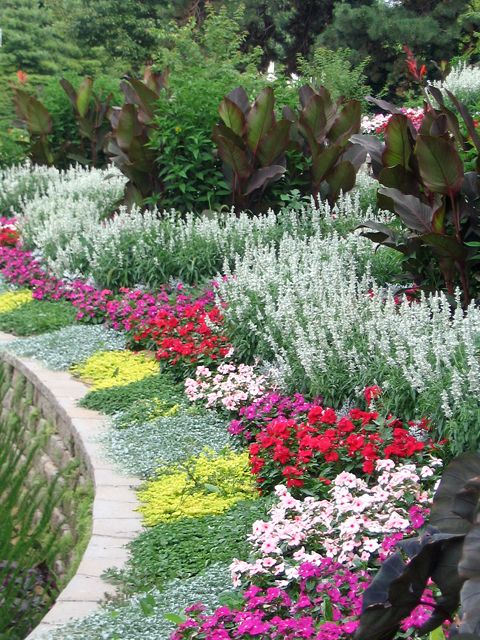
We love growing lavender in flower beds to bring a sense of calm alongside herbs like rosemary for their cool texture, look and taste. It is a great addition to any herb garden and can be used in cocktails and baking, but we love the sensory opportunities it adds. Fill your garden beds with color by planting flowers that are known for their showy blooms, like dahlias, zinnias, pansies, and hydrangeas, which are available in a range of hues. Create a walkway in between your flower beds by laying down pavers.
Container Sizes For Growing Vegetables: Ask Shirley Garden Questions
When it comes to planting, layer up textures in a stripped-back palette for a considered yet natural feel. We adore the use of hydrangeas, ferns, hardy geraniums, and wispy grasses as seen here, in their cool green tones. This garden, designed by Tom Stuart-Smith, was a highlight at RHS Hampton Court Garden Festival 2021 and features all kinds of gorgeous blooms, grasses, and Mediterranean shrubs. The tonal palette of silvers and mauves punctuated by splashes of acid green and reds adds to the appeal, and you can bet that visiting butterflies and bees will adore it. There are so many styles to choose from, from contemporary shapes to cute animal figures – but we particularly love metal, floral designs like these.
Garden Planning Apps
The 19 Best Edging Plants for Flower Beds in Sunny or Shady Spots - Better Homes & Gardens
The 19 Best Edging Plants for Flower Beds in Sunny or Shady Spots.
Posted: Wed, 10 Jan 2024 08:00:00 GMT [source]
It's also a way to encourage visitors to wander through the flowers to enjoy the experience. This bed is accented with stacks of natural stone, which provide texture and structure. You don't necessarily have to build a wall; one or two well-placed rocks our small boulders add interest to any bed when artistically placed. Planting rows east to west will create an area of constant sun, and running rows north and south will create some periods of shade.
Design a Garden with a View!
A nice feature of this type of bed is that it is quite low maintenance once your vision has been executed. This one sounds elaborate, and in fairness, it could be a very involved project if you have the time and space to create an actual garden maze. On a smaller scale, you can create the look or feel of a maze with a little bit of planning and the right type of plants. Shrubby plants work very well for constructing the walls of a maze. Some fun ideas for a fairy garden include either a tiny house or a miniature door that can be attached to the side of a tree or on a fence leading to a neighboring yard.
Dahlias 'Akita' and 'Sunny Reggae' are nothing short of spectacular. If neat and orderly flower beds aren't your style, this idea might be the one for you. When they die down, the lavender will come into its glory, sporting spikes of fragranced purple blooms we all know and love. It provides the perfect view for the nearby seating spot and is a fabulous way to elevate an urban plot or courtyard. Up the opulent-yet-mysterious vibe further by picking a dark stone raised bed or lead-effect planters to position your displays in. This of course will take a little longer for a filled-out display, but many flower varieties are fast-growing and the end result will be worth the wait.
A more experienced gardener may find that anything involving frequent pruning is a pain. Add a burst of greenery to your patio by introducing a flower bed focal point. This square-shaped patch adds a fresh, lemon-sorbet-like zing to the space, with its daffodils and tulips in pastel yellows and whites. Our advice on how to grow ornamental grasses is a great place to start if you want to recreate the look in your own backyard, as is our guide to the best trees for small gardens.
Build a raised flower bed.
A string of tiny lights can bring a special enchantment to your fairy garden in the evening. An inspiration board can help determine a beautiful color palette and textural direction. A photograph of the desired result is a great thing to take along to the nursery to help choose the right elements for the project at hand. Get a custom professional design to DIY, order the materials you need, and build the yard of your dreams one project at a time. You can have fun with your edging and make it reflect your style by using materials like bricks, wood or stones.
Add Native Wildflower to Garden Beds
Most plants are labeled full sun (meaning they need 6 or more hours of direct sunlight every day) partial sun (about half that) or full shade (little or no direct sunlight). With 300 species and thousands of cultivars, there are plenty of orange iris varieties to choose from. In this article, certified master gardener Liz Jaros profiles 11 of her favorites, offering growing tips and maintenance requirements for each. It is well worth the time and effort to create a plan and invest, whether in time, money, or otherwise, in creating a flower bed that you can enjoy and appreciate for years to come.
Watch bees, butterflies, and birds flock to your blooms as you sip on your morning coffee or evening glass of wine. Give birds a place to preen by setting up a bird bath in your flower bed. Not only do these structures increase your garden's wildlife population, but they also provide a soothing water feature that will make the space feel serene.
A good fruit, nut, and seed mix will draw a wide variety of songbirds. Birdfeeders come in different shapes and forms, such as wire baskets or plastic tubes with small perches. Tires in a children’s garden painted with bright colors and patterns are super fun. And if you like a more boho, naturalist feel, you can wrap the tires with jute rope and make it look like a cute ottoman with a flower cushion. You don’t have to have a special, locked courtyard with a long-lost key to create the feel of your very own secret garden. Bamboo makes an excellent barrier to conceal a bed that’s just for you and those with whom you choose to share your secrets.
The test results will provide valuable information about the nutrient content, organic matter, and pH level of your soil. That being said, you may be able to get away with packing your plants a smidge closer than recommended, suggests Briana Bosch of Blossom and Branch Flower Farm. One benefit is minimizing weed competition, but another is increased height, she says. It's a great choice for modern or smaller plots – there's no hassle with digging up the ground to make beds for your blooms.
Companion planting is a gardening strategy that involves growing plants in a combination that will benefit both species. In your raised bed, consider planting flowers, herbs, fruits, and vegetables that pair well together. For example, marigolds are used to deter pests from disrupting fruits and vegetables. "The advantage of the raised bed is these plants can be grown in proximity for the maximum benefit," says Sutton.
If you’re looking for an unconventional and inexpensive raised garden bed idea, you may have the supplies to make your own sitting around in the basement, garage, or attic. Old tin tubs, buckets, and milk pails can easily be converted to large flower pots or raised flower beds. Before filling the containers with soil, drill a few drainage holes into the bottom of each one to prevent diseases like root rot.
Just make sure that the wood is untreated so you don't risk any chemicals potentially damaging your plants. Tall flowering plants, like those found in meadows, are beautiful and support pollinator insects. You don't need to be a master landscaper to have a gorgeous flower beds in your garden. When deciding where to place your garden, consider what kind of light you have. Watch your yard throughout the day and determine how much light different areas get each day.
Incorporating a curved or round flower bed can make a space feel extra intimate. As we mentioned earlier, try a flower bed with no edging for a unique look. Create a garden bed you can see from a picture window or a window you spend a lot of time at! Whether you prefer bright, colorful flowers or white flowers, you can incorporate whatever you love most into your garden. Make your walkway a focal point in your yard by lining it with flowers! This is a fun way to create interest and add color to your yard.
We’ll talk about the basics of good design, how to pick colors that pop, and how to choose plants that keep your garden lively year-round. Whether you’re a green thumb or just getting your hands dirty for the first time, we’re here to help you make your garden a stunning, ever-evolving masterpiece. If you have flower beds spread throughout various areas in your yard, connect them all with pathways. Make the pathways out of mulch, stone, gravel or any other material that suits your space. A quick and easy way to boost your curb appeal is to plant a flower bed around your mailbox.




No comments:
Post a Comment